


By Bob Gatty
Dr. Adam Cunningham on Medical Debt & Medical Tourism
Healthcare in America has become a social justice crisis.
Medical debt is now the leading cause of bankruptcy in the United States, wiping out working families, trapping seniors on fixed incomes, and disproportionately hurting communities already struggling to survive. Millions of Americans delay care, skip prescriptions, or avoid doctors entirely because they fear the bill more than the illness itself.
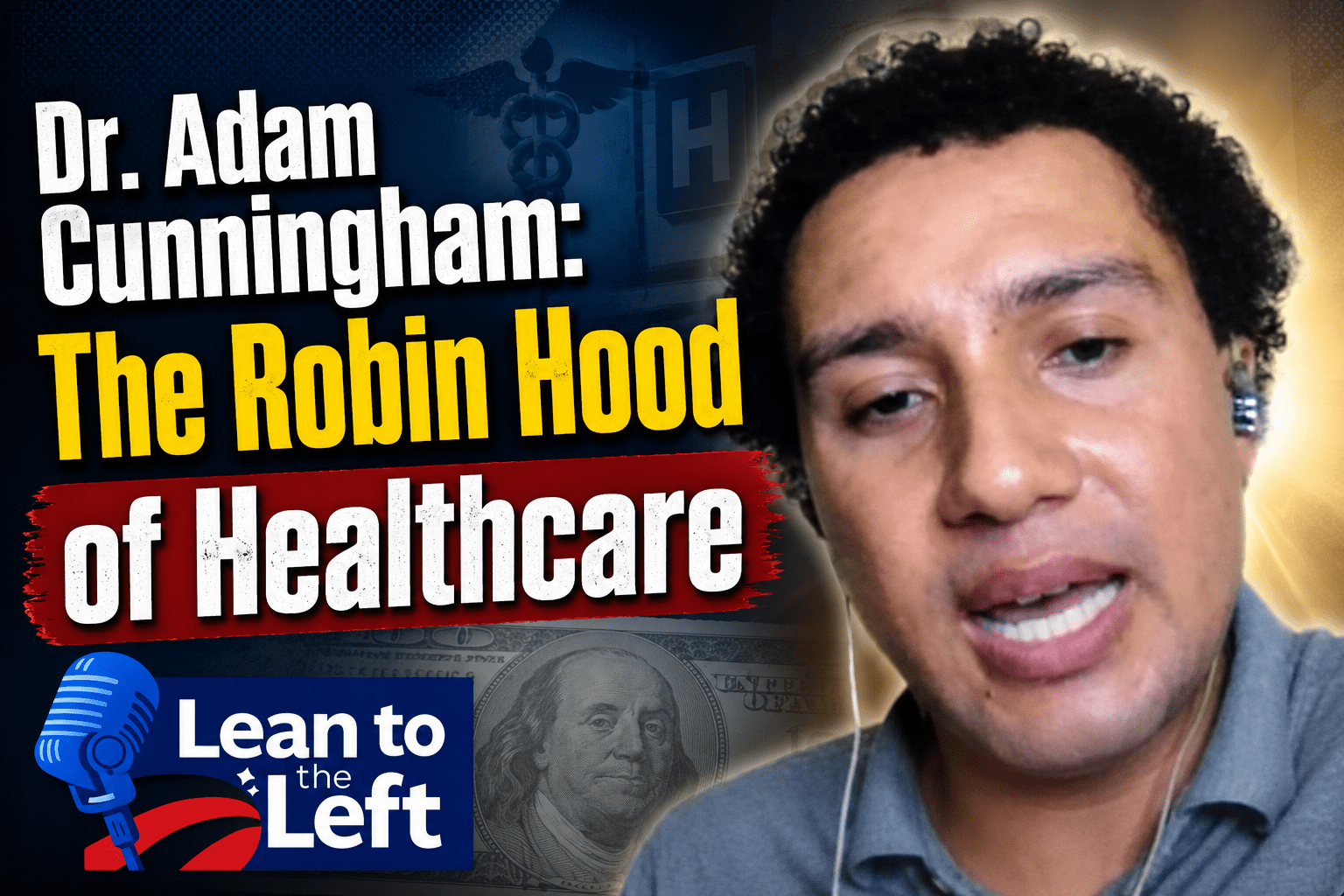
That reality was front and center on the latest episode of the Lean to the Left podcast when I sat down with Dr. Adam Cunningham, founder of Sylk Health, a company trying to expose the hidden pricing structure behind American healthcare and offer lower-cost alternatives abroad.
At one point during our conversation, I jokingly called Cunningham “the Robin Hood of healthcare.” The description may not be far off.
Cunningham argues that one of the biggest problems with the American healthcare system is simple: patients rarely know what treatment costs until after they receive it.
“You can either stay sick or get treated,” Cunningham said. “And when people don’t know the price beforehand, hospitals can saddle them with enormous debt afterward.”
He believes the lack of transparency isn’t accidental.
“It’s hidden because they can hide it,” he told me.
Medical Debt is Crushing American Families
The numbers are staggering.
According to Cunningham, millions of Americans avoid treatment altogether because they fear financial ruin. Even insured patients often face shocking out-of-pocket expenses.
During our discussion, I shared my own experiences with healthcare costs, including the skyrocketing expenses tied to my wife Jackie’s Alzheimer’s care. Her memory care facility alone costs roughly $5,000 a month — and that’s considered relatively affordable compared to some nearby facilities charging nearly double.
Meanwhile, Medicare supplemental insurance premiums continue to climb for seniors already struggling to survive on fixed incomes.
Who can afford this?
That question hung over the entire conversation.
Cunningham argues that the healthcare industry profits from confusion, complexity, and fear.
“If patients actually saw the prices beforehand,” he said, “many would look for alternatives.”
A Different Option: Medical Tourism
That’s where Sylk Health comes in.
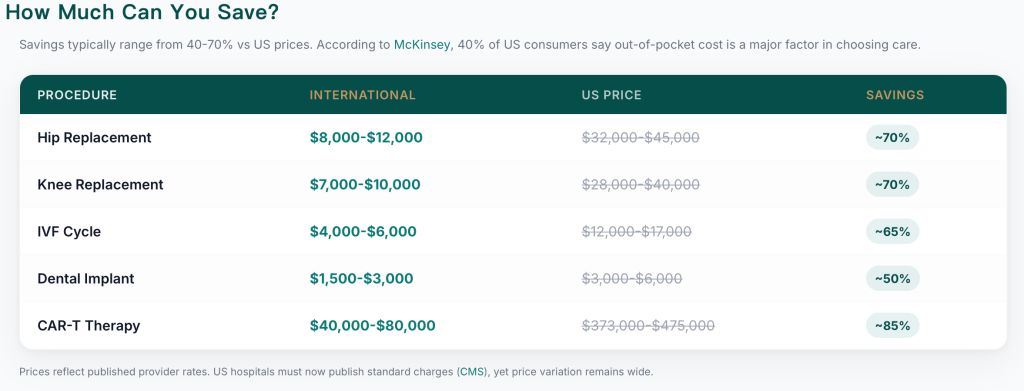
The company’s website compares prices for major medical procedures in the United States with accredited hospitals in China, allowing consumers to see dramatic price differences side-by-side.
Hip replacements that can cost $60,000 or more in the U.S., Cunningham says, may cost between $10,000 and $14,000 overseas — even after travel expenses.
And he insists these are not second-rate facilities.
“We’re talking about tier-one hospitals in Beijing and Shanghai,” he said.
Medical tourism has long existed, particularly for dental work and cosmetic procedures, but Cunningham believes it is becoming increasingly necessary for Americans trapped inside a broken healthcare system.
Healthcare as a Profit Machine
The discussion also turned toward pharmaceutical advertising, lobbying, and the enormous political power wielded by healthcare corporations.
Cunningham cited examples of hospitals charging hundreds of dollars for simple saline bags that should cost pennies or charging patients outrageous markups for basic medications like Tylenol.
He also criticized weak enforcement of a federal hospital price transparency law passed several years ago.
“Only about one in five hospitals actually comply,” he said.
The rest continue operating behind a wall of opaque billing practices that leave patients powerless.
Meanwhile, pharmaceutical companies spend billions on lobbying and direct-to-consumer advertising, shaping public perception while protecting their profits.
Can the System Change?
That remains the biggest question.
Cunningham was blunt in his assessment: meaningful reform will be difficult because there is simply too much money tied up in the current system.
Healthcare has become one of the most profitable industries in America, deeply intertwined with politics and corporate influence.
Still, conversations like this matter.
Because healthcare should not bankrupt families.
Alzheimer’s patients should not become financial burdens.
Working people should not fear seeing a doctor.
And seniors should not have to choose between healthcare and survival.
That’s not freedom.
That’s exploitation.
🎧 Watch or listen to the full interview with Dr. Adam Cunningham on the Lean to the Left podcast.
🌐 Learn more about Sylk Health
🌐 Visit Lean to the Left for more progressive commentary, interviews, and analysis.

Dr. Erica Urquhart on Forces Driving the Healthcare Crisis
Dr. Steven Bezruchka on Why Americans Are Sicker & Die Younger.
2 Responses
Dr. John Cary, who lived in China for many years and practiced Chinese medicine there, emailed the following comment regarding this article and podcast:
“I know the costs of medical care in China from personal experience. First of all, the most I ever paid for an office visit was 10 rmb or around $1.75 but most of the time I got the “foreigner’s discount” meaning no charge especially if you knew the MD. Then I had an accident several years back which required 3 major operations on my leg and 45 days in the hospital mostly in a private room. Cost? Total was right at $7000 but the insurance from the school where I was working covered every bit of it that is except food. I had cosmetic surgery that corrected my double chin and drooping and baggy eyes. That set me back around $3000 with 4 nights in the hospital and eight hours on the table. Yeah, medical care in America is a joke. Total extortion.
“Just thought I would let you know. Also, western and eastern medicine work together and it is rare that you don’t have a combination of drugs from the regular pharmacy and Chinese herbal one as they are both side-by-side typically on the first floor of the hospital. You can get an MRI at 2:00 on a Sunday morning for around $75 which includes the results during the visit. I broke a tooth at 10:00 one Sunday morning and went to the dentist who spoke English and he repaired it himself within less than an hour for around $30. X-rays were around $2.00.
I know the costs of medical care in China from personal experience. First of all, the most I ever paid for an office visit was 10 rmb or around $1.75 but most of the time I got the “foreigner’s discount” meaning no charge especially if you knew the MD. Then I had an accident several years back which required 3 major operations on my leg and 45 days in the hospital mostly in a private room. Cost? Total was right at $7000 but the insurance from the school where I was working covered every bit of it that is except food. I had cosmetic surgery that corrected my double chin and drooping and baggy eyes. That set me back around $3000 with 4 nights in the hospital and eight hours on the table. Yeah, medical care in America is a joke. Total extortion.
Just thought I would let you know. Also, western and eastern medicine work together and it is rare that you don’t have a combination of drugs from the regular pharmacy and Chinese herbal one as they are both side-by-side typically on the first floor of the hospital. You can get an MRI at 2:00 on a Sunday morning for around $75 which includes the results during the visit. I broke a tooth at 10:00 one Sunday morning and went to the dentist who spoke English and he repaired it himself within less than an hour for around $30. X-rays were around $2.00.
“There’s a lot more but this should let your fans know what it’s really like from someone who’s been there. a lot more but this should let your fans know what it’s really like from someone who’s been there.”
Thankyou, John! Appreciate your insight.