


 by Bob Gatty
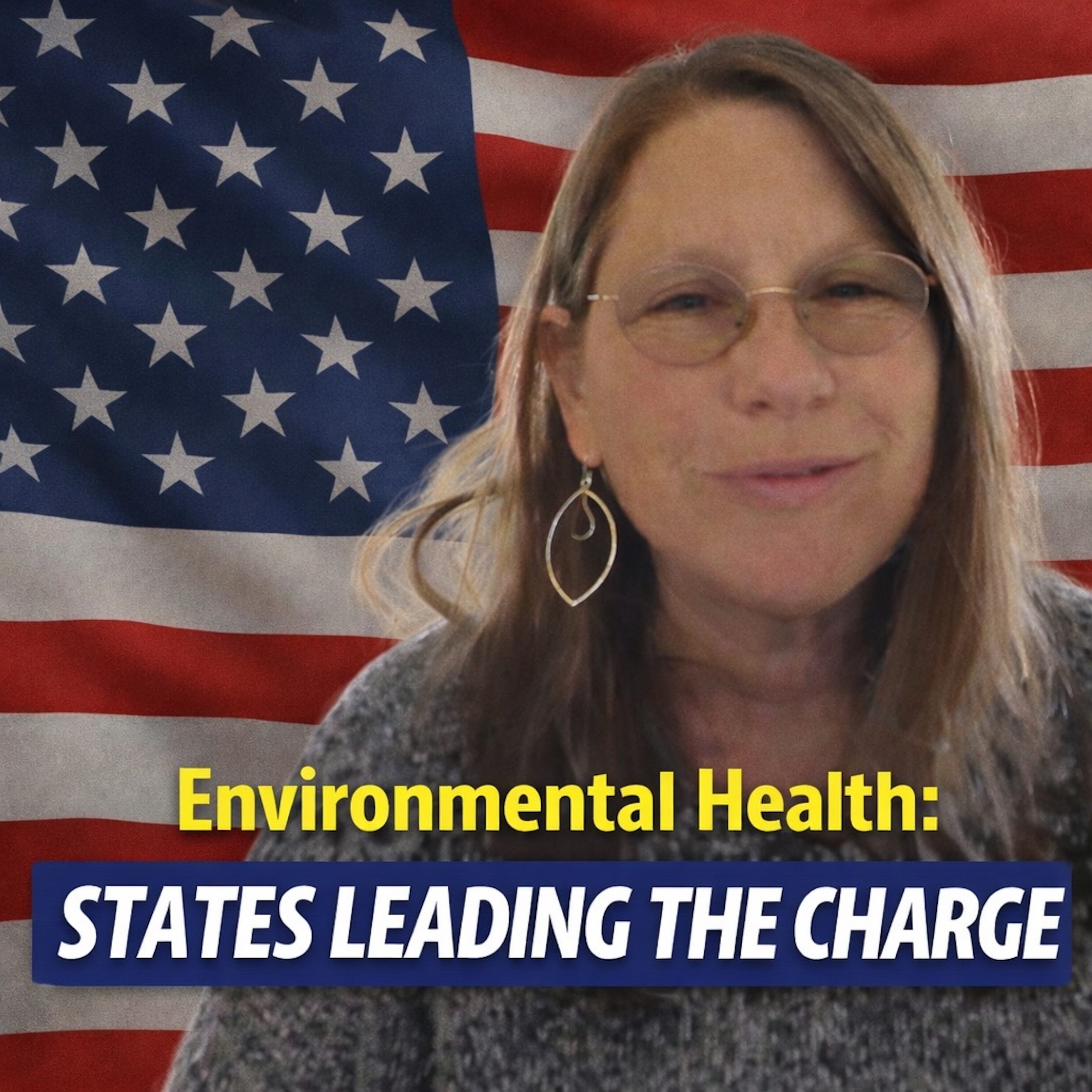
Welcome to the Lean to the Left Podcast recap, where we focus on progressive politics and critical social issues that face our society today. In this episode, our focus is on environmental health and the crucial role states can play in leading innovative policies for a healthier planet. Our guest, Susan Kaplan, provides insight into this by discussing her book, A Healthy Union: How States Can Lead on Environmental Health. With her extensive background as an environmental health lawyer, professor, and writer, Kaplan shares her experiences and expertise on the subject.
Listen
Watch
The Intersection of Environmental Health and Politics
Susan Kaplan has built a distinguished career working in federal and state government policy positions. She has contributed her expertise at Harvard University’s Kennedy School and taught at the University of Illinois, Chicago, and Northwestern University. Her book, A Healthy Union, showcases case studies of state-level environmental health policies that have emerged as best practices.
Kaplan reminds us that while federal protections from pollution and toxic chemicals have receded over the decades, states have increasingly stepped up to fill the gap. This shift began as early as the 1910s, when President Theodore Roosevelt led conservation efforts, and continued through the 1970s, an era dubbed the “Environmental Decade,” which saw the establishment of the EPA and pivotal environmental laws.
However, since the 1980s, federal protections have been eroding, prompting states to take more significant roles. Kaplan’s fascination with this history motivated her to explore and document successful state initiatives in her book. She highlights several policies from Massachusetts and Texas that date back to the late 20th century, enabling states to serve as “laboratories of innovation.”
The Role of Local and State Governments
While states play a vital role in environmental health, Kaplan emphasizes that local governments, such as city councils and school boards, have significant influence over everyday environments. These local bodies can focus on policies related to school infrastructure, ventilation, and more. She encourages individuals to form advocacy groups and engage in research, enabling them to influence local policymakers effectively.
Addressing a common concern, Kaplan discusses personal environmental responsibility, such as how individuals can maintain their lawns without harmful chemicals. She advises doing thorough research on the products used and considering alternative landscaping that requires fewer chemical inputs. Her insights reflect an empowering message about individual agency in environmental health.
Kaplan highlights that collective action can generate significant outcomes. She suggests forming small groups to advocate for environmental health policies locally. Her book provides evidence-backed success stories, including best practice policies that offer economic benefits and foster public health. These stories demonstrate how environmentally friendly practices can actually reduce costs and improve community wellbeing.
Despite challenges, Kaplan remains optimistic about the potential for states to lead the charge in environmental health improvements. Her book identifies states such as Massachusetts, New York, Texas, and regional collaborations like the Southeast Regional Partnership for Planning and Sustainability as examples of effective state-led efforts. By sharing successful state policies, she hopes to inspire further innovation and collaboration across the nation.
For more about Susan Kaplan and her invaluable work, you can find her book A Healthy Union: How States Can Lead On Environmental Health on Island Press and Amazon. With optimism and inspiration, Kaplan underscores the power of innovative state policies to make a lasting impact on our environment and public health. For 20% off the regular price of her book, visit the Island Press website and use the code “UNION”.
Susan’s insights shine a light on the persistent issues and hopeful changes in environmental health policy. Her expertise, together with the stories and tactics shared in her book, encourages us all to leverage the power of state and local governments to create effective and sustainable environmental health policies. Let’s work together to promote environmentally considerate policies at all governance levels for a better planet.
 Bob Gatty is founder and editor of Lean to the Left, host of the Lean to the Left Podcast, and co-author of “Hijacked Nation, Donald Trump’s attack on America’s greatness.”